Areas We Serve · Kalispell, Montana
Meadowlark Log Homes delivers log home restorations throughout Kalispell using corn cob blasting, borate diffusion, and polymeric chinking systems. We maintain current contractor licensing in Montana and document every phase with moisture-meter readings and photo logs.

Most restoration failures trace back to skipping the neutralization step after media blasting. The honest answer is that blasting alone won't fix anything if the surface pH stays alkaline and the coating can't bond. We neutralize with oxalic acid, then verify pH before sanding.
Proper restoration follows a fixed sequence: blast, neutralize, verify pH, sand, seal end grain, apply borate, then coat only after moisture content drops below 19%. Skip any step, and the system fails, not eventually, but predictably.
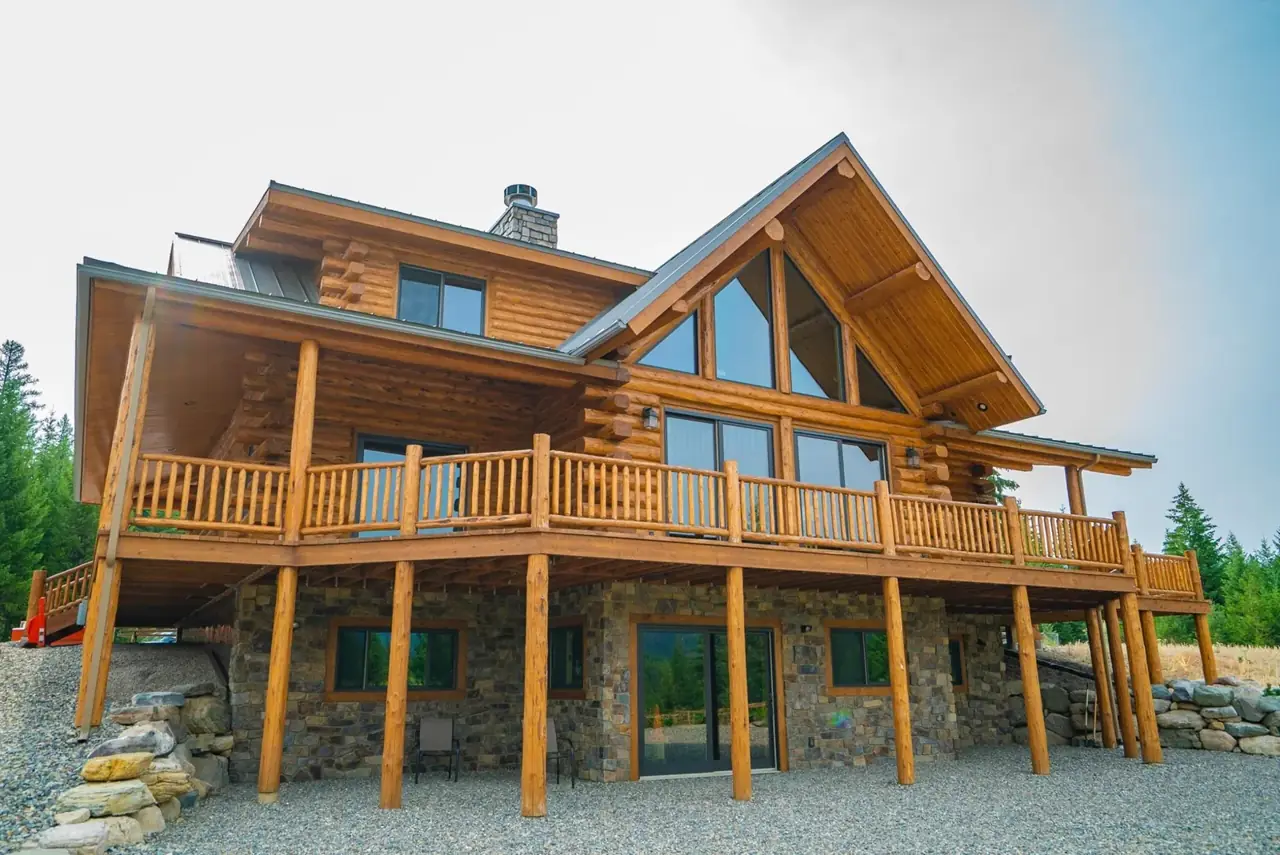
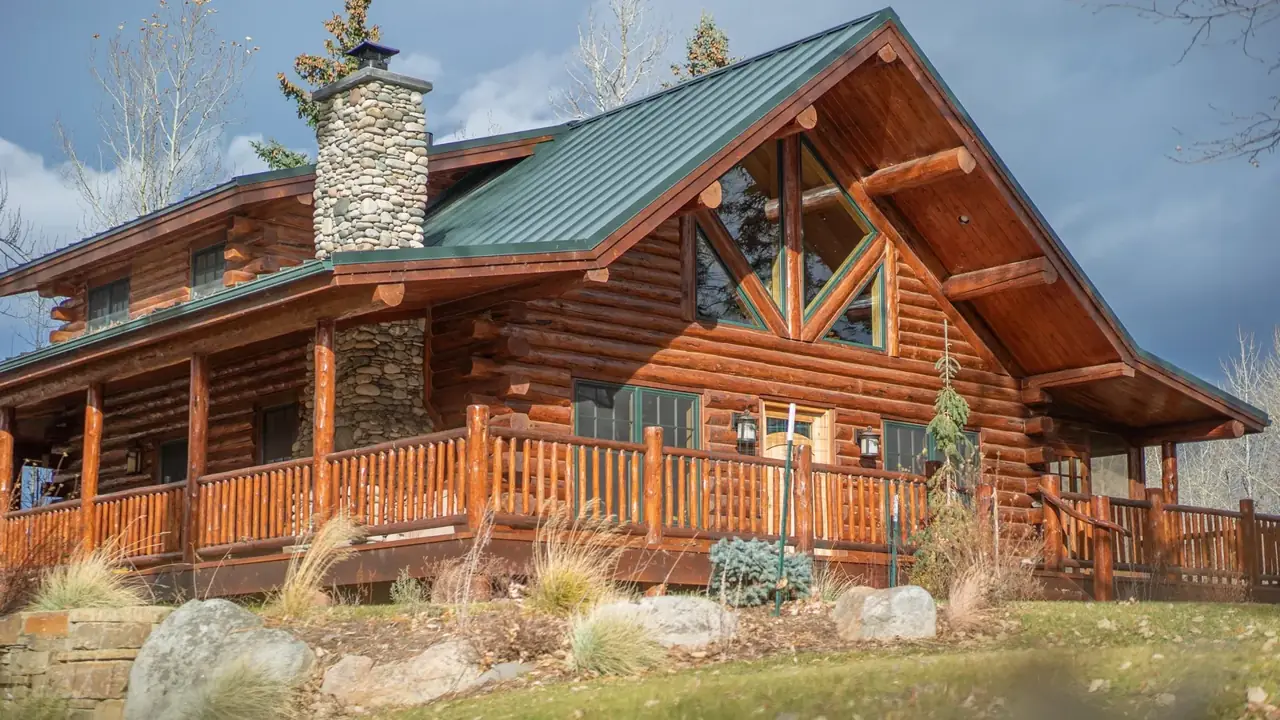
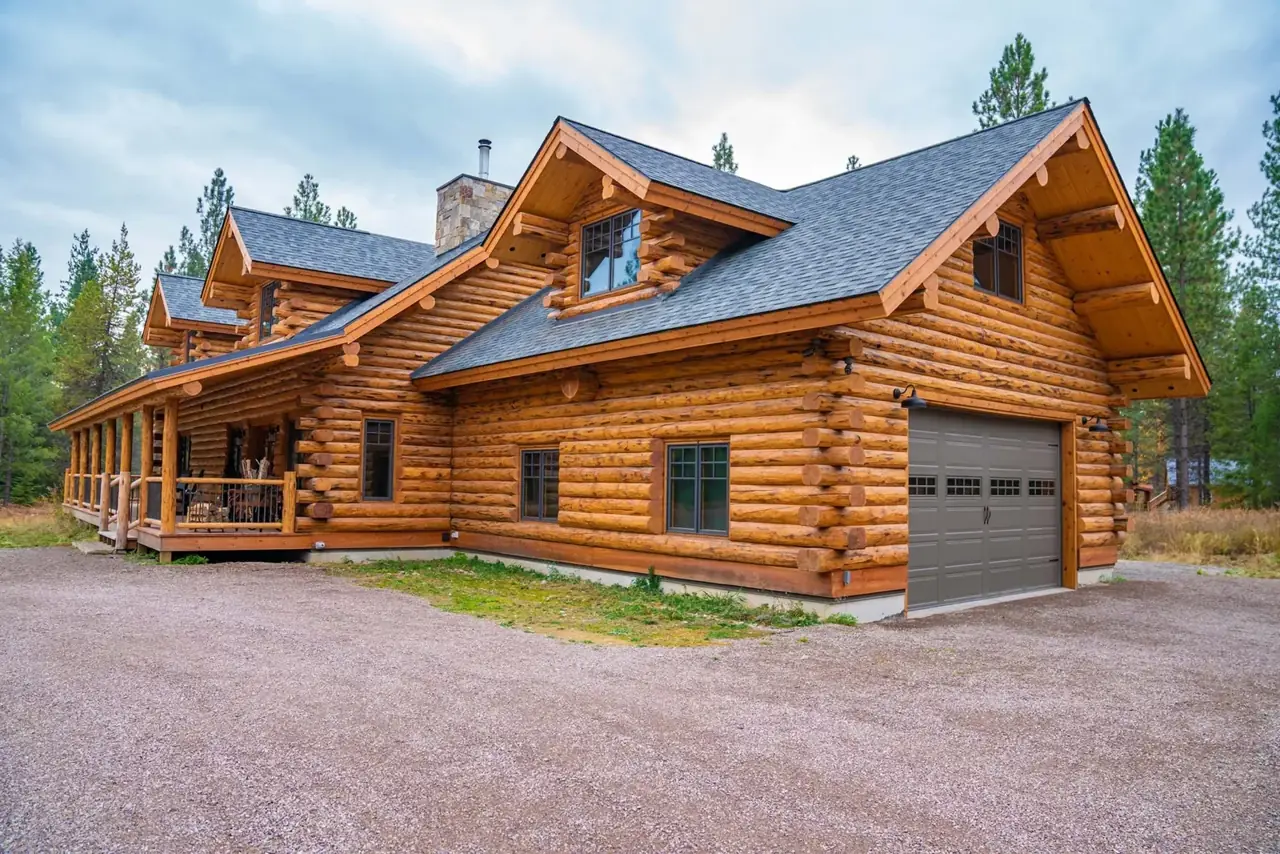
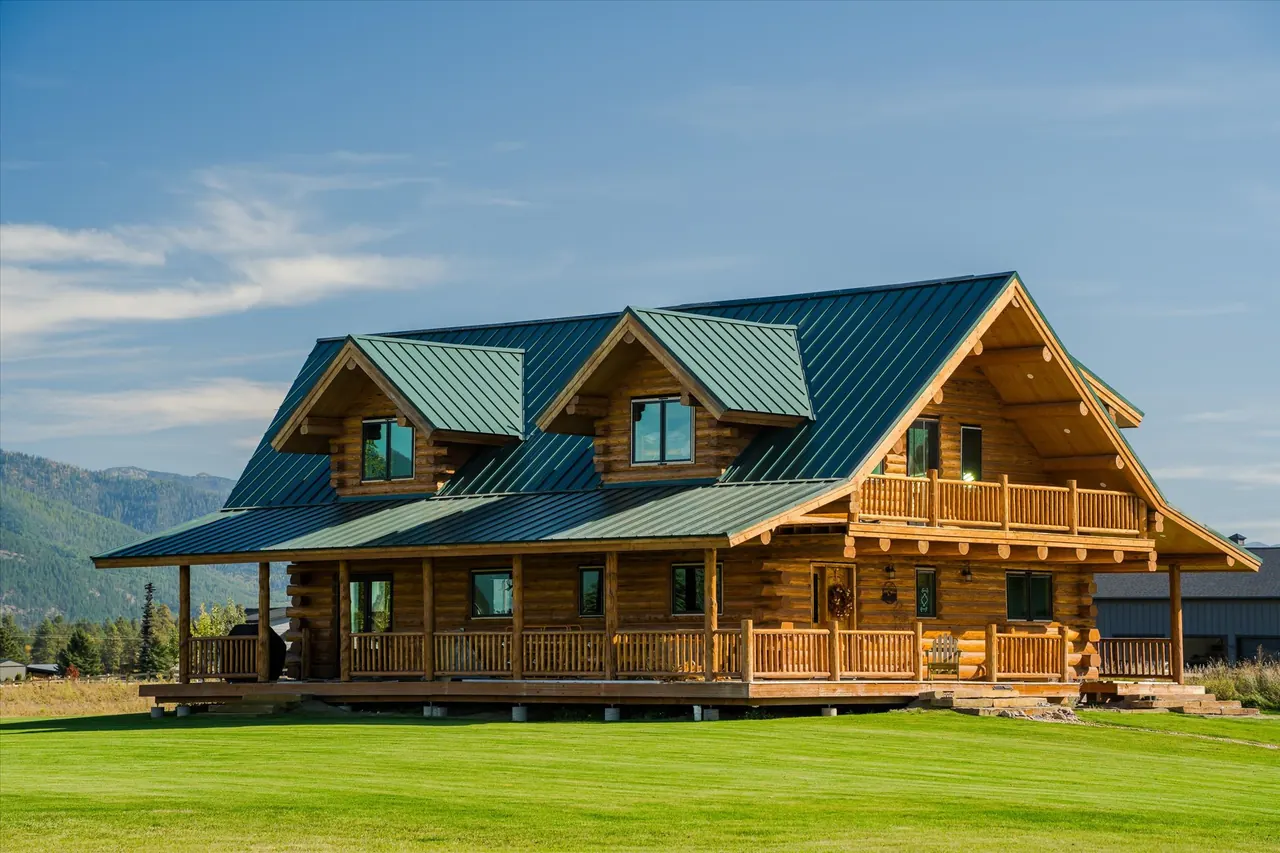
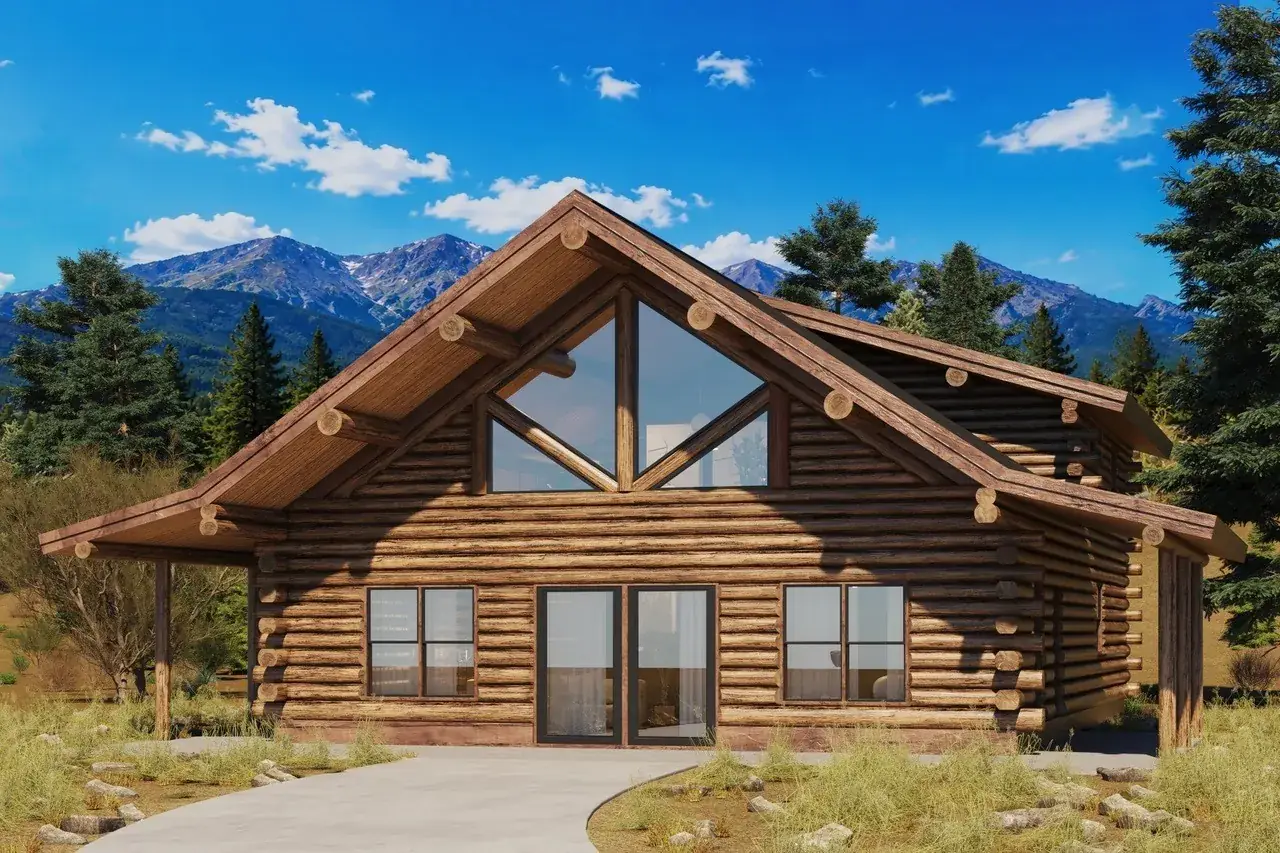
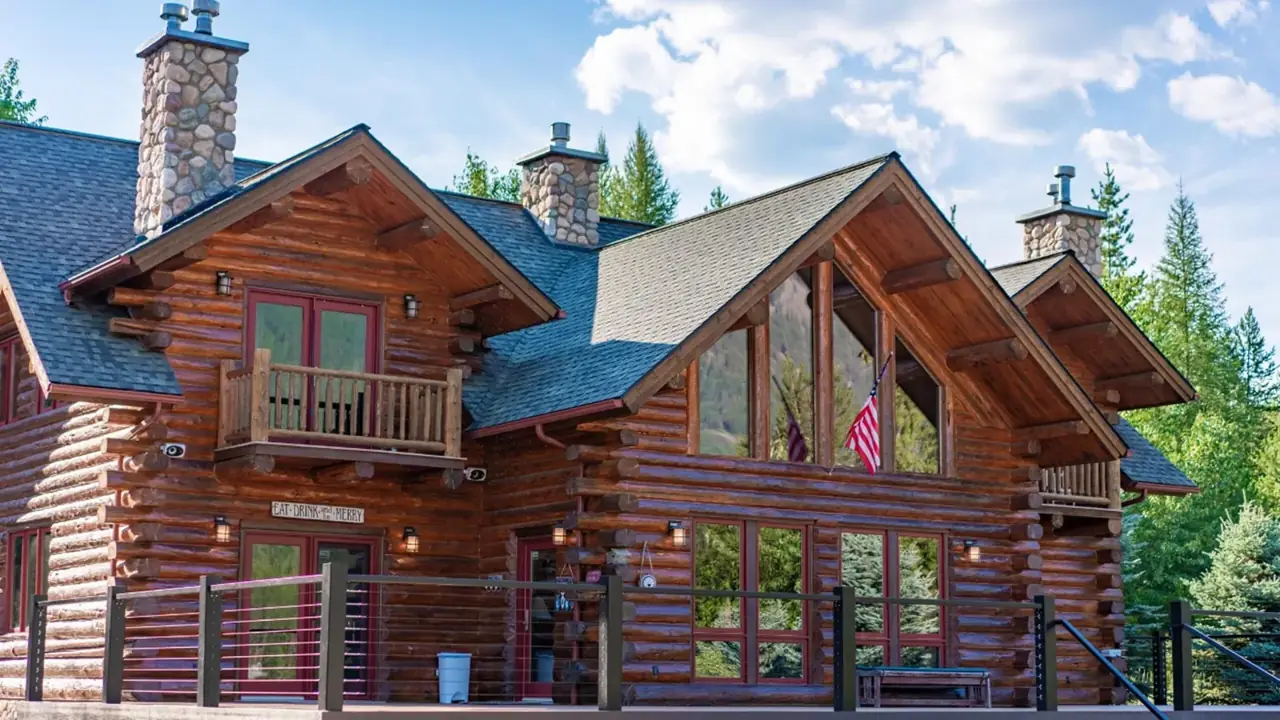
Browse every Meadowlark model, compare log package pricing, square footage and bedrooms, then open any floor plan to see photos, drawings and package details for your Kalispell area build.

You notice the chinking has pulled away from the log face, leaving a quarter-inch gap that whistles when the wind picks up. That's not a product failure; it's a backer rod sizing mistake. The joint needs three-point contact, not two, and the rod diameter has to match the joint width exactly.
For Cody Crone, we replaced three courses of logs and re-chinked the entire structure using Sashco Log Jam and Conceal. We once rushed a stain application in early October because the client wanted it done before snow; the topcoat never cured properly, and we had to strip and recoat the following summer.
“Our home is exactly what we dreamed and every one on the Meadowlark staff is of the highest quality.”
Andee Jack

We've seen homeowners attempt piecemeal repairs, staining over failed chinking, or applying borate after the coating goes down. The sequence matters because each layer depends on what's beneath it, and reversing steps means stripping everything back to bare wood and starting over.
Corn cob or soda blasting removes oxidized lignin and failed coatings without damaging log fibers. We follow with oxalic acid neutralization and progressive sanding to create a uniform profile for stain adhesion.
Liquid Bora-Care application followed by Cobra Rod installation creates a diffusion reservoir that halts active decay and deters powderpost beetles and carpenter ants. Target moisture content must be below 19% for effective penetration.
Apply polymeric chinking compounds from Sashco and Perma-Chink over correctly sized backer rod to maintain two-point adhesion and accommodate seasonal log movement. Joint design follows depth-to-width ratios for maximum elongation.
Waterborne acrylic stains with UV topcoats protect high-exposure walls, while breathable penetrating sealers allow moisture vapor transmission on north and east faces. Dry film thickness and coverage rates are verified per manufacturer specs.

Kalispell sits at 2,959 feet in the Flathead Valley, where freeze-thaw cycle counts run higher than most of Montana, and snowmelt lingers against log ends through April. The city's zoning ordinance and downtown historic design guidelines add permit layers, but the real challenge is timing work between spring moisture and fall temperature drops.
You're scheduling around weather windows that close fast; spring runoff keeps moisture content high until late May, and by mid-October you're racing frost. Miss the window, and you're either working in conditions that guarantee coating failure or waiting another six months.
“The log cabin is beautifully constructed, cozy, solid, and exceeded our expectations.”
Cody Crone
Meadowlark Log Homes serves residents throughout Kalispell and the surrounding Flathead Valley. Our team regularly works in Columbia Falls, Whitefish, and Bigfork, with flexible scheduling to accommodate seasonal access constraints and weather windows. We coordinate projects from initial inspection through final coating application, delivering all documentation and photo logs digitally for warranty compliance and future maintenance planning.
We schedule inspections and work phases around Kalispell's freeze-thaw cycles and summer UV exposure windows, with lead times adjusted for permit processing and material delivery. The valley's elevation and proximity to Glacier National Park create microclimates that affect coating cure times and moisture content readings, so we verify conditions on-site rather than relying on regional forecasts.
The condition of a log home often reflects its setting, and restoration plans change with exposure, shade and access.
| Location & Neighborhoods | ZIP Codes | Local Landmarks & Housing Styles | Typical Build Considerations | How we shape the restoration |
|---|---|---|---|---|
| Kalispell neighborhoodsDowntown, Lone Pine, Spring Prairie, West Valley | 59901, 59903, 59904 | Conrad Mansion, Lone Pine State Park and Main Street. Valley-floor ranch homes, subdivisions and acreage. | Older log homes on open valley lots.Details to share: The home’s age, past finish work and any areas that feel soft. | We assess finish failure and wood condition before setting the scope. |
| Whitefish and wooded hillsidesWhitefish Lake, Big Mountain Road, Haskill Basin | 59937 | Whitefish Lake and Whitefish Mountain Resort. Wooded hillside cabins and mountain-view homes. | Shaded homes where moisture lingers.Details to share: Dark staining, musty areas and spots that stay wet after storms. | We probe damp areas closely and plan repairs before refinishing. |
| Columbia Falls and rural acreageColumbia Falls, Coram, Hungry Horse, Martin City | 59912, 59913, 59919, 59926 | Flathead River and the Highway 2 route to West Glacier. Rural acreage and recreation cabins. | Sun-exposed homes with heavy fading.Details to share: Which walls have grayed most and how long since the last finish. | We plan surface preparation and coatings for the most exposed walls. |
| Bigfork and Flathead Lake east shoreBigfork Village, Ferndale, Echo Lake | 59911 | Flathead Lake east shore and the Swan River. Lake-view and hillside homes. | Lake-view homes facing wind and weather.Details to share: Weather-side damage, deck connections and window leaks. | We focus on joints, openings and the weather side of the home. |
| Lakeside and SomersLakeside, Somers, Rollins | 59922, 59932, 59931 | Flathead Lake west shore and Blacktail Mountain. Lake-adjacent and sloped residential lots. | West-shore homes on sloped lots.Details to share: Drainage issues and any damage to lower log courses. | We address drainage contributors alongside lower-log repairs. |
| Evergreen and valley edgesEvergreen, Creston, Bad Rock | 59901 | Flathead River bottoms east of Kalispell. Mixed rural lots and full-time family homes. | Rural homes with plantings close to walls.Details to share: Insect signs, plants against the logs and areas near the ground. | We check for decay and insect damage near grade before refinishing. |
Three generations of Montana log home craftsmanship, from our yard in Libby to your site in the Flathead Valley.
Damaged wood is repaired before it spreads.
Rebuilt joints keep drafts and water out.
A full refinish brings back the character of the logs.
Each step prepares for the next.
Log home restoration involves structural repair, wood replacement, and complete refinishing to reverse years of weathering damage, not just routine cleaning or staining. The scope depends on how long decay has progressed unchecked.
A full restoration addresses rot, insect damage, and UV degradation that surface treatments can't fix. Damaged logs get replaced or epoxied, gaps get properly chinked, and the entire envelope is media-blasted before stain goes on. One thing that catches homeowners off guard is discovering hidden damage behind trim boards or under old caulk once the work starts. If your logs show checking deeper than a quarter inch or soft spots near ground contact, a restoration assessment will show whether repair or replacement makes more sense for each section.
Log homes need restoration when wood shows checking deeper than the surface, UV graying penetrates the fibers, or water stains appear around joints and corners. Routine cleaning only addresses surface dirt and pollen buildup.
Surface dirt washes off with a garden hose. Real degradation doesn't. When cracks widen enough to catch a fingernail edge or run horizontally across multiple logs, the wood structure is compromised and needs sealing work beyond what pressure washing can fix. UV damage that turns logs gray isn't just cosmetic once it penetrates past the outer cell layer, which happens faster on south and west exposures. Water staining around window trim, door frames, or log ends signals moisture intrusion that routine maintenance won't address. If you run your hand along a log and the surface feels fuzzy or fibrous rather than smooth, the lignin has broken down.
One pattern we see often is homeowners who wait until rot appears at corner notches or around fasteners before calling. By that point, replacement sections may be necessary instead of targeted repair. If logs feel spongy when pressed or show dark streaking that doesn't wash away, schedule an inspection to map out what's salvageable and what isn't.
Restoration costs depend on log condition, square footage, and required treatments like chinking repair or stain application. Homes with extensive rot or structural issues cost more than properties that need only surface refinishing.
Pricing for log home restoration varies widely based on the scope of damage and the treatments needed to bring the structure back to sound condition. A cabin with minor weathering and intact chinking will fall at the lower end of the range, while a home with rot pockets, failed sealant, and UV damage across multiple walls requires more intensive work. Most restoration projects in the Flathead Valley involve some combination of surface prep, log repair, chinking or caulking replacement, and protective finish application.
What Drives Restoration Costs Higher or Lower:
One thing that catches homeowners off guard is the cost difference between cosmetic refresh and actual structural correction. If the logs have been neglected for years, restoration isn't just staining over what's there. It's addressing the underlying damage first. For an accurate estimate based on your home's current state, contact a qualified restoration specialist who can walk the property and identify what needs correction versus what can be preserved.
Meadowlark Log Homes evaluates wood integrity through moisture testing, rot probing, and finish-adhesion checks to determine the scope. The difference hinges on whether decay has penetrated beyond surface layers into structural log sections.
Meadowlark Log Homes starts by probing suspect logs with an awl to gauge rot depth, then runs moisture meter readings across multiple wall sections. Surface checking and UV damage might only need cleaning and refinishing. When the awl sinks past a quarter inch, or moisture reads above 20% deep in the log body, that signals structural compromise requiring full restoration with log replacement or epoxy consolidation. We've found that homeowners often mistake widespread finish failure for minor wear, which delays the work until water infiltration becomes a bigger problem.
Proper restoration prep involves clearing vegetation from walls, documenting existing damage with photos, and testing stain adhesion on weathered logs. Skipping moisture testing or surface prep typically compromises finish longevity within two seasons.
Meadowlark Log Homes walks homeowners through several preparation steps that directly affect restoration outcomes. Trim back vegetation touching log walls by at least 18 inches to prevent moisture trapping during and after the work. We document every crack, gap, and discolored section with dated photos before any cleaning starts, which helps track progress and catch issues that surface cleaning might reveal. One thing clients rarely think about is testing how well new stain will bond to their weathered logs. We run adhesion tests on a small section because logs exposed to Montana weather for years sometimes need extra surface prep or a different product formulation than what worked when the home was new.
If your logs show heavy weathering or you're unsure about their current condition, Meadowlark Log Homes can walk the exterior with you and identify what prep work will actually matter for your specific situation. Restoration work done without proper prep tends to fail faster than doing nothing at all.
Freeze-thaw damage, UV oxidation, and insect activity won't wait for a convenient season. Meadowlark Log Homes delivers moisture-meter inspections, borate treatment, and chinking systems engineered for Montana's climate extremes. Call now to book your assessment and receive a detailed scope with photo documentation and material specifications.
Meadowlark Log Homes, 50 Meadowlark Lane, Libby, MT 59923 · View on Google Maps